Beijing Lanetech Square Co., Ltd.

Concrete Test Hammer

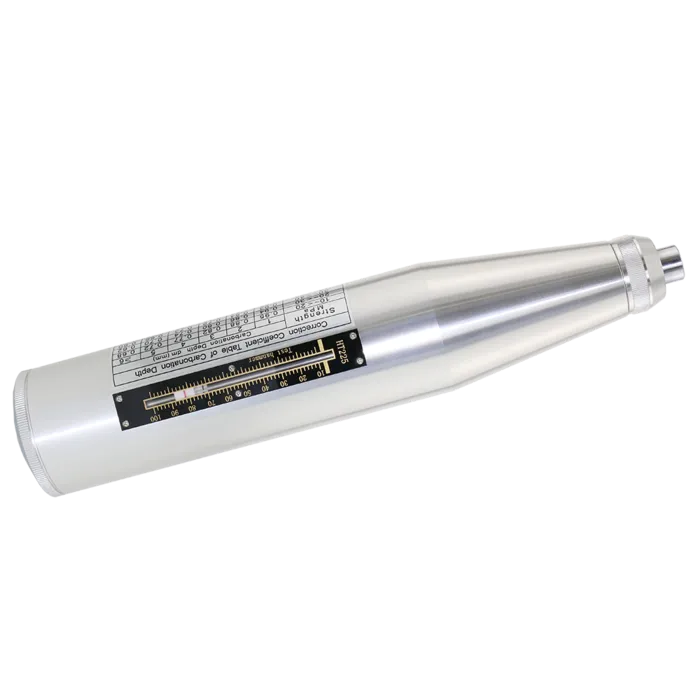
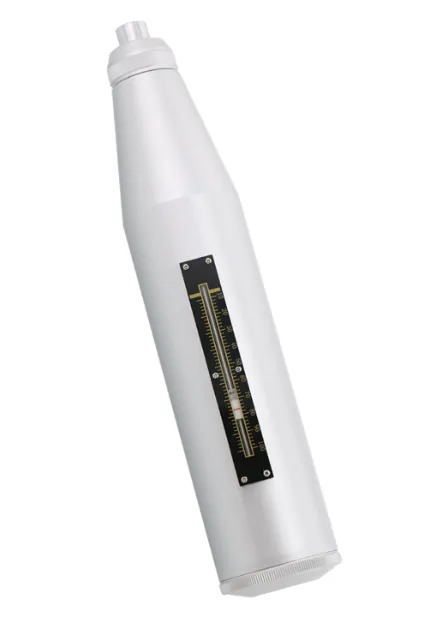
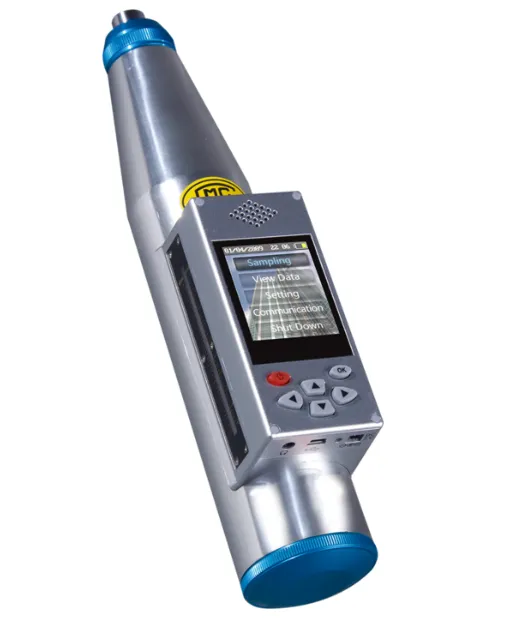
Lanetech HT-225 Concrete Rebound Hammer (also known as a Schmidt hammer or concrete test hammer) complies with GB/T 9138-1988, JJG 817-93, JGJ/T 23-2011, and ASTM C 805. It is designed for non-destructive, on-site testing of the compressive strength of building concrete components, bridges, slabs, columns, beams, and other concrete structures, making it ideal for construction quality control, structural safety assessment, and maintenance inspection.


Types of Concrete Test Hammer

HT-225 Concrete  Rebound Test Hammer
HT-225 Concrete Rebound Test Hammer
Lanetech HT-225 Concrete Rebound Hammer, also known as a Schmidt hammer or concrete test hammer, is designed for non-destructive, on-site testing of the compressive strength of building concrete components, bridges, slabs, etc,.
HT-75  Brick Rebound Test Hammer
HT-75 Brick Rebound Test Hammer
Lanetech HT-75 Brick Rebound Test Hammer HT-75 (Rebound Tester) complies with GB/T 50315-2000 and is designed for on‑site testing of lightweight materials such as brick, lightweight aggregate concrete (LWAC).
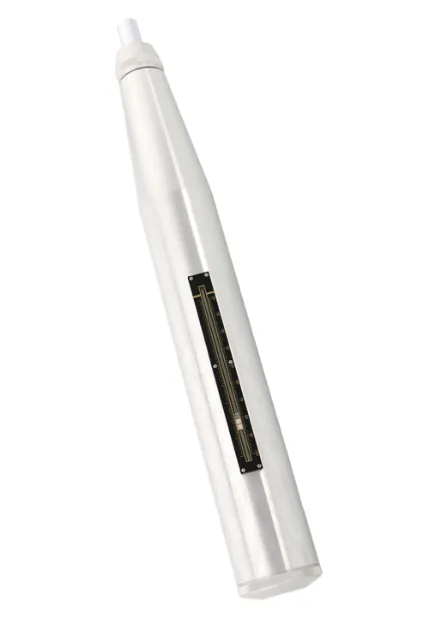
HT-1000 High Strength Test Hammer
Lanetech HT-1000 High Strength Test Hammer complies with JGJ/T23-2011 technical regulation and is designed for non‑destructive strength testing of high‑strength concrete in tall building structures, bridges, concrete components.
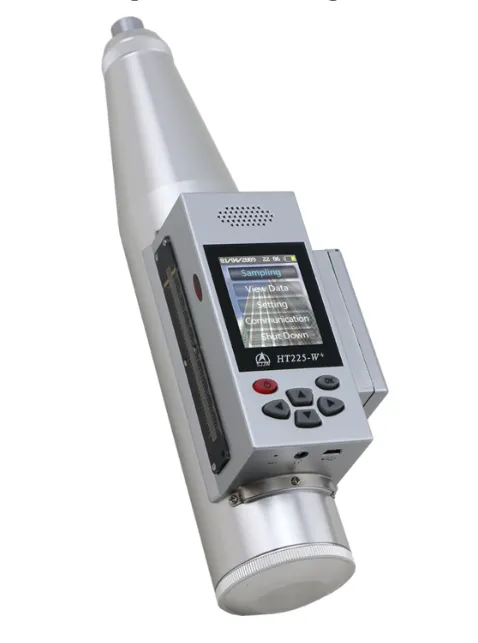
HT-225W+ Integrated Voice Digital Test Hammer
Lanetech HT-225W+ Integrated Rebound Hammer is ideal for supervision companies, quality supervision on-site sampling tests. The device automatically assesses and prints results on-site, eliminating manual calculation and improving testing efficiency.
HT225-V Digital Voice Test Hammer
Lanetech HT225-V Concrete Digital Rebound Tester / Schmidt Hammer is ideal for quality inspection companies, on-site testing and sampling. The instrument eliminates manual calculation automatically ,grading, and printing results.

What Are The Benefits Of Using A Vibration Tester?_copy20260710105328_copy20260922205433

Detecting faults and malfunctions_copy20260710105328_copy20260922205433

Vibration testers can help identify any faults or malfunctions in machinery or equipment by measuring and analyzing the vibrations produced. This can help prevent potential breakdowns or failures, allowing for timely maintenance or repairs.

Improving equipment performance_copy20260710105328_copy20260922205433

By regularly monitoring vibrations, a vibration tester can help optimize the performance of machinery and equipment. It can identify any imbalances, misalignments, or other issues that may be affecting performance, allowing for adjustments or corrective actions to be taken.

Enhancing safety_copy20260710105328_copy20260922205433

Vibration testers can contribute to ensuring a safe working environment by identifying any excessive vibrations that may pose a risk to personnel or equipment. By detecting and addressing these issues, the likelihood of accidents or injuries can be reduced, promoting a safer workplace.

How Does A Vibration Tester Work?_copy20260710105328_copy20260922205433

Viration Tester_copy20260710105328_copy20260922205433

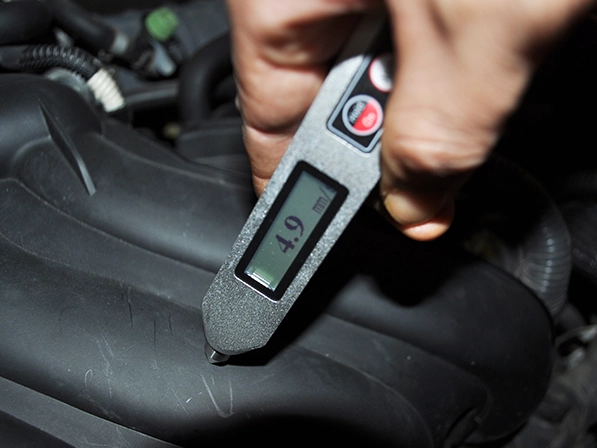
A vibration tester, also known as a vibration meter or analyzer, is a device used to measure and analyze vibrations in various mechanical systems. It typically consists of a sensor or accelerometer that detects vibrations and converts them into electrical signals. These signals are then processed and displayed on a screen or outputted as data.


The sensor is attached to the system being tested, such as a motor, pump, or machine, and it measures the vibrations produced by the system during operation. The tester can measure various parameters, including vibration amplitude, frequency, and acceleration.


The device may also have additional features like data logging, which allows for long-term monitoring and analysis of vibrations over time. Some advanced vibration testers can even perform spectral analysis, providing detailed information about the frequency components of the vibrations.


Overall, a vibration tester provides valuable insights into the condition and performance of mechanical systems, helping to identify potential issues, prevent failures, and optimize maintenance and repair activities.

How Does A Vibration Tester Work?_copy20260710105328_copy20260922205433
Please feel free to send me an email about the series or models which you like, thank you! Looking forward to it now.