Beijing Lanetech Square Co., Ltd.

Brinell Rockwell Vickers Hardness Tester

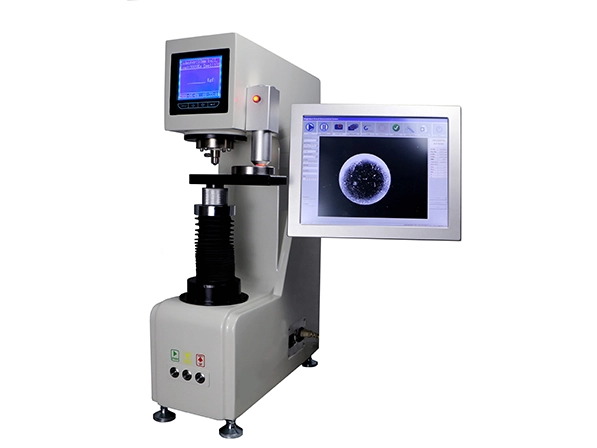
Lanetech Brinell Rockwell Vickers Hardness Testers,

ISO 6506/ASTM E10-compliant for  quenched, tempered, annealed, cold hard castings, malleable castings, hard alloy steel, aluminum alloy, copper alloy, bearing steel, etc..

It is a high-tech product that integrates mechanical, electrical, and optical testing. It can be tested using three testing methods: Brinell, Rockwell, and Vickers.


Types of Brinell Rockwell Vickers Hardness Tester

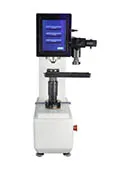
Digital Blovey Hardness Tester THBRVS-190
The Lanetech digital Blovey Hardness Tester THBRVS-190 features using three testing methods: Brinell, Rockwell, and Vickers in one tester.
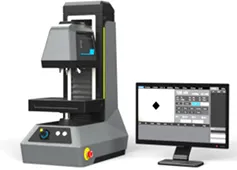
KHT600-M Automatic Brinell Hardness Tester_copy20260708102600
Lanetech KHT600-M Automatic Brinell Hardness Tester features a built‑in CCD camera and PC for fully automatic indentation measurement. It supports three operation methods: touchscreen, keyboard, and mouse.

What Materials Can Be Tested Using A Brinell Hardness Tester?_copy20260708102600

Steel_copy20260708102600

Steel is one of the most common materials tested using a Brinell hardness tester. This includes various types of steel such as carbon steel, stainless steel, and alloy steel. The Brinell hardness test can provide valuable information about the strength and durability of steel components.

Cast iron_copy20260708102600

Cast iron is another material that can be tested using a Brinell hardness tester. Cast iron is widely used in the automotive industry, construction, and other applications where high strength and wear resistance are required. The Brinell hardness test can help determine the quality and suitability of cast iron components.

Aluminum alloys_copy20260708102600

Aluminum alloys are commonly used in aerospace, automotive, and other industries due to their lightweight and high strength properties. The Brinell hardness test can be used to assess the hardness and strength of different aluminum alloys, helping manufacturers ensure the quality and performance of their products.

What Are The Maintenance Requirements For A Brinell Hardness Tester?_copy20260708102600

Brinell Hardness Tester_copy20260708102600

The maintenance requirements for a Brinell hardness tester include regular cleaning and lubrication of the machine. The tester should be cleaned after each use to remove any debris or residue that may affect the accuracy of the readings. Lubrication of moving parts should be done periodically to ensure smooth operation and prevent wear and tear. Additionally, the indenter and the anvil should be inspected regularly for any signs of damage or wear, and replaced if necessary. Calibration of the tester should be performed at regular intervals to ensure accurate and consistent results. Overall, proper maintenance of the Brinell hardness tester is essential to ensure its longevity and reliable performance.

What Are The Maintenance Requirements For A Brinell Hardness Tester?_copy20260708102600
Please feel free to send me an email about the series or models which you like, thank you! Looking forward to it now.